
The hidden psychology behind gambling decisions and behaviors
The allure of risk-taking
Gambling inherently involves risk, which can be both thrilling and dangerous. The psychology behind this allure is rooted in our brain’s reward system. When we take risks and win, our brains release dopamine, a neurotransmitter associated with pleasure and reward. This biochemical response can create a cycle of excitement and anticipation, encouraging individuals to gamble again in hopes of replicating that euphoric experience. Many players also discover new casinos online real money, enhancing their excitement as they seek fresh experiences.
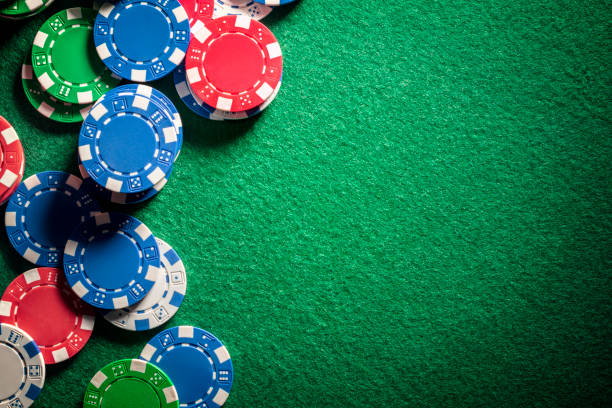
Moreover, the thrill of uncertainty contributes to the excitement of gambling. Many players are drawn to the unpredictability of games, which heightens their engagement. This psychological phenomenon is amplified by the belief that skill can influence outcomes, even in games primarily based on chance. Players often feel a sense of control, leading them to make decisions that may not align with rational judgment.
The role of cognitive biases
Cognitive biases significantly impact gambling behaviors, often leading individuals to make irrational decisions. One common bias is the illusion of control, where gamblers believe they can influence the outcome of a game through their actions. This misconception can lead to overconfidence, resulting in more frequent and risky bets.
Another prevalent bias is the gambler’s fallacy, the belief that past events influence future outcomes in random games. For example, if a player sees a particular number come up frequently, they may assume it is ‘due’ to appear again. This false reasoning can prompt players to make poor betting choices, often leading to significant losses.
The social aspect of gambling
Gambling is not just an individual activity; it often has strong social components. Many people enjoy gambling in groups, creating a sense of camaraderie and shared experience. This social aspect can amplify the excitement and enjoyment of gambling, as players engage in friendly competition and celebrate wins together.
Additionally, peer influence can significantly affect gambling behaviors. Individuals may feel pressured to gamble more or take bigger risks to fit in or impress their friends. This dynamic can lead to a spiral of increased gambling activity, often overshadowing personal limits and responsible gaming practices.
The impact of marketing and environment
The environment in which gambling occurs plays a crucial role in shaping behaviors. Casinos are designed to be stimulating, with bright lights, vibrant colors, and enticing sounds that create an immersive experience. This sensory overload can lead to impulsive decision-making, encouraging players to gamble more than they initially intended.
Marketing strategies also exploit psychological principles to attract and retain players. Promotions, bonuses, and loyalty programs can manipulate perceptions of value, making players feel as though they are getting a better deal. These tactics can lead to increased gambling behavior, as players chase the next reward or discount, often losing sight of their original budget.

Your guide to understanding gambling psychology
Understanding the psychological factors behind gambling decisions is essential for both players and industry professionals. Recognizing cognitive biases, the allure of risk, and the impact of social dynamics can lead to more informed decisions and promote responsible gambling practices. Whether you are a seasoned player or new to gambling, awareness of these psychological elements can enhance your gaming experience.
Our website is dedicated to providing insights into the world of gambling, equipping you with the knowledge to make better choices. With expert reviews and analyses, we help you navigate the complexities of the gaming landscape, ensuring a safe and enjoyable environment for all players.