
The impact of gambling on personal finance management
Understanding Gambling and Its Appeal
Gambling has become a popular pastime for many, drawing individuals into a world of excitement and anticipation. Its appeal often lies in the thrill of potential wins and the social interactions it fosters. However, this excitement can lead to reckless financial decisions if not managed carefully. For those indulging in such activities, visiting a fast payout online casino can seem enticing, but understanding the psychological aspects of gambling can help individuals recognize the risks associated with it.
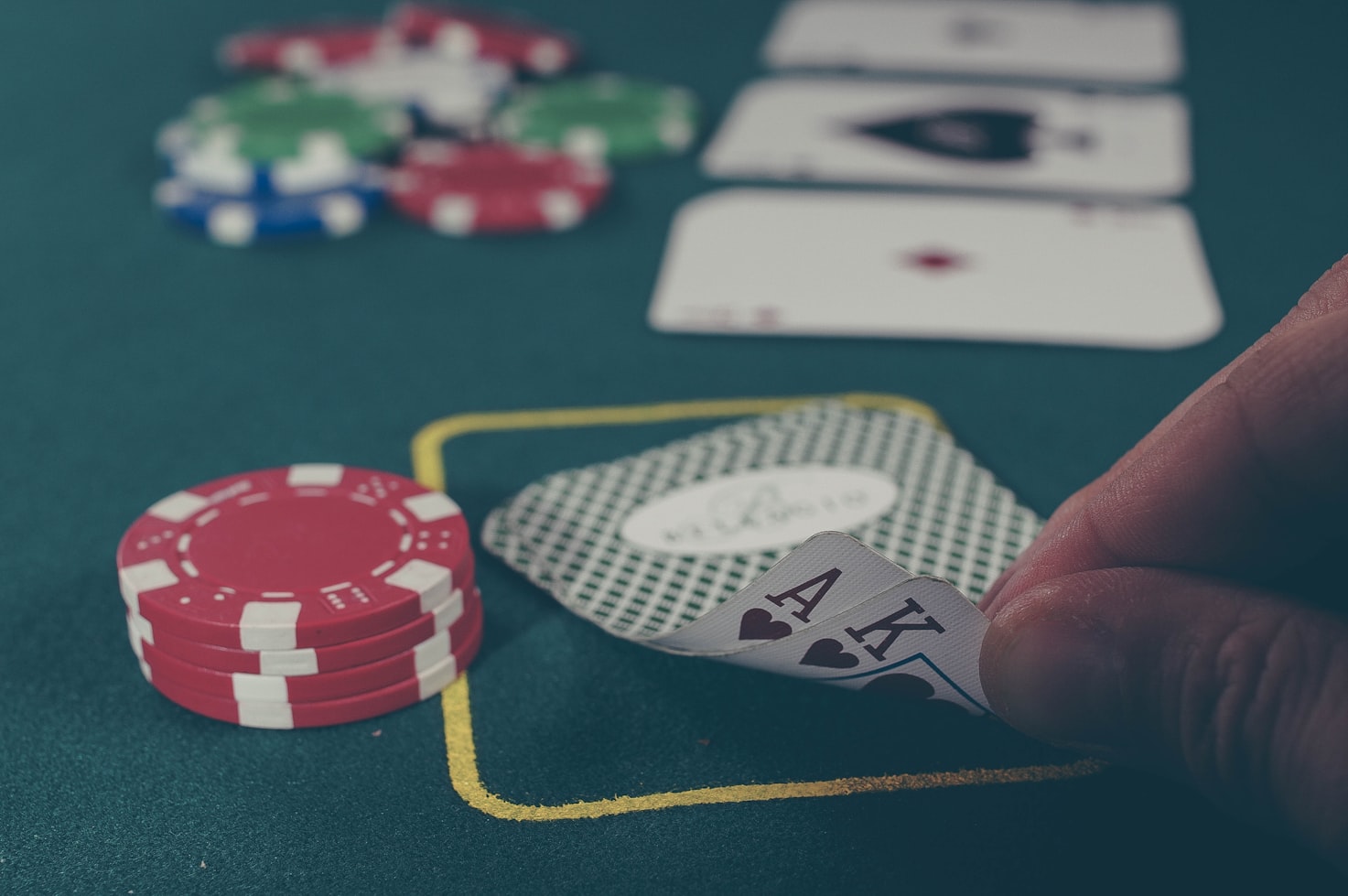
The instant gratification that comes with winning can create a false sense of financial security. Gamblers may believe that they can recover losses or make quick profits, leading to escalating spending. This mindset often clouds judgment, prompting impulsive decisions that can have severe repercussions on overall personal finance management.
The Financial Risks of Gambling
Engaging in gambling activities can significantly impact one’s financial health. The most immediate risk is the potential for substantial monetary loss. Many individuals underestimate how quickly their funds can deplete, leading to financial instability. When losses accumulate, some may resort to borrowing, further complicating their financial situation.
Moreover, the nature of gambling often encourages chasing losses, where individuals continue to gamble in hopes of recouping what they have lost. This cycle can spiral out of control, resulting in significant debt and potentially leading to gambling addiction. Addressing these financial risks is crucial for anyone involved in gambling.
Strategies for Responsible Gambling
Implementing strategies for responsible gambling can help individuals maintain control over their finances while still enjoying their hobby. Setting strict budgets and sticking to them is essential. By allocating a specific amount of money for gambling, individuals can limit their exposure to financial risk while enjoying the thrill of the game.
Additionally, tracking gambling expenditures can offer insights into spending habits. Many find it beneficial to reflect on their gambling experiences and recognize patterns that may lead to financial trouble. Incorporating breaks and establishing time limits can also help maintain a healthy relationship with gambling and finances.
The Emotional Toll of Gambling on Finances
The emotional impact of gambling extends beyond just financial loss; it can affect relationships and mental well-being. Financial strain caused by gambling can lead to stress, anxiety, and even depression. Relationships with family and friends may suffer as individuals prioritize gambling over social interactions or financial responsibilities.
It is important for individuals to recognize these emotional consequences and seek help when necessary. Open communication with loved ones and professional support can provide assistance in managing both the emotional and financial aspects of gambling.

Resources for Financial Management and Gambling Support
There are numerous resources available to assist individuals in managing their finances and seeking help for gambling-related issues. Financial advisors can offer guidance on budgeting and debt management, while counseling services can address the psychological aspects of gambling addiction. Many communities also provide support groups for individuals struggling with gambling-related problems.
For those interested in exploring more about financial management and gambling, a variety of platforms offer educational materials and support. Understanding one’s relationship with money and gambling is crucial for personal finance management, and utilizing these resources can pave the way for healthier financial habits.